This is the most common question we get. Unfortunately it’s a tough one to answer without knowing all the facts about your business and current website. There is no hard answer that will cover every business because your business is unique, your market is unique, your website is unique, your competition is unique.
 But if I had to give an answer:
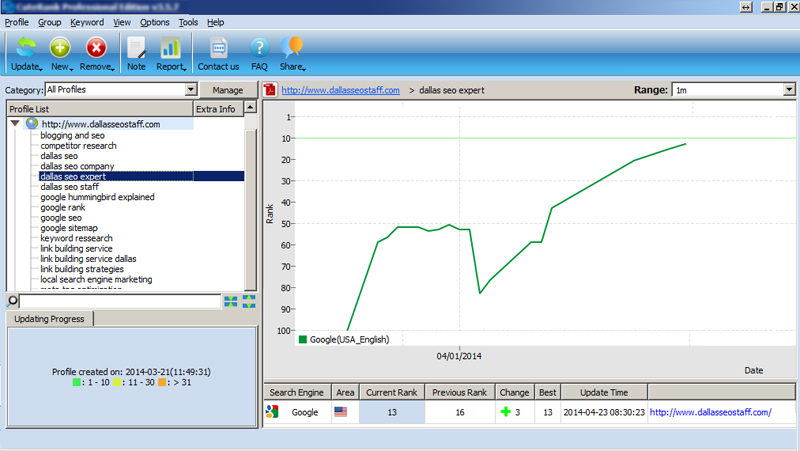
It generally takes two to three months for most websites to rank for their target keywords that are currently not ranking well. That being said, here are a few factors that will shorten or lengthen that time:
- How long has your website been live?
- How many geographic areas are you targeting?
- How many competitors do you have in your markets?
- How are your competitors doing in those markets?
- What’s the current state of your site’s Technical SEO?
- How much effort do/can you put into your SEO strategy?
…and a few other factors.
The only way to get this question answered with any certainty is have an SEO Consultant review all these factors. Fortunately we do that for free – technical site audit, competitor research, market research for your services, etc.
SEO Budget
We all know you get what you pay for. Getting your site to rank in the top spots for your keywords takes effort. IF it was easy everyone would be at the top. But they really wouldn’t be cause there’s only one top spot…
SEO, and more encompassing, digital marketing, is a long term strategy of content, links, technical aspects, social media, third party posting and over 200 other factors Google looks at when deciding where to rank your site. Of course some factors weight heavier than others and those areas of SEO is where to start when ranking your website.
Technical SEO Rankings
If Google can’t read your site or if your site is presenting information in an unorganized factor you’re not going to rank so that’s where we start. We look at things like on-page errors, canonical tags, 4xx and 3xx issues, etc etc etc… Once those are corrected we can move to on page factors.
URL Structure
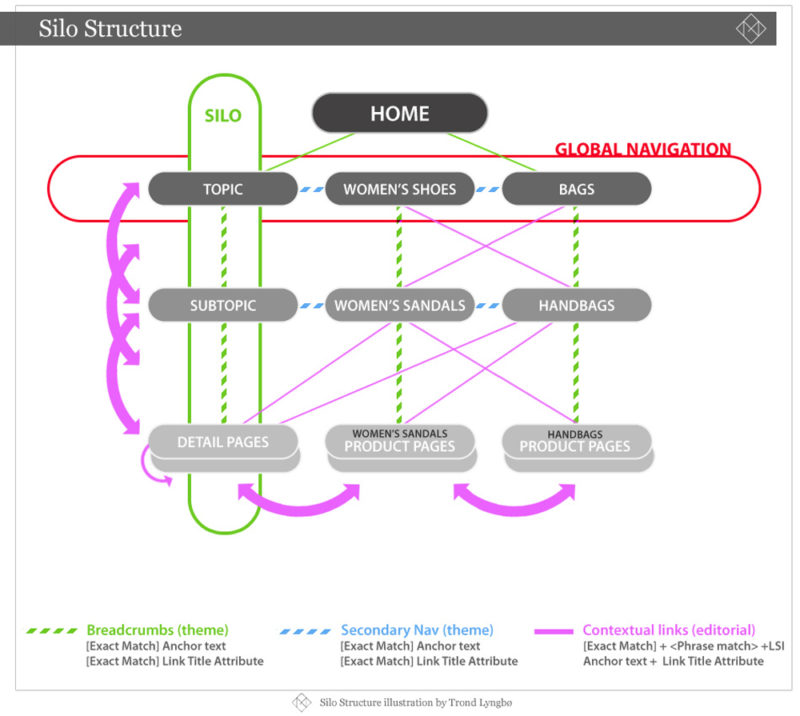
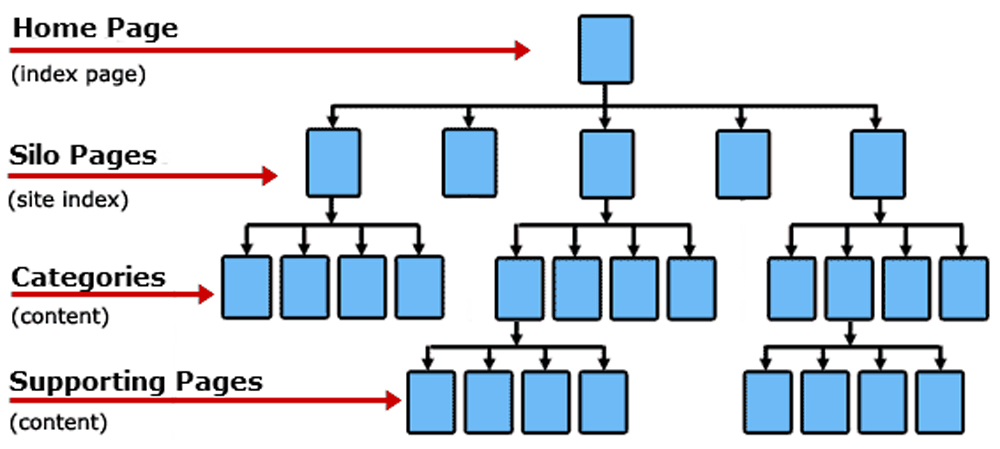
Your URL structure is the basic road map and hierarchy of your site. It helps Google understand the relationship between pages. For example if you sell dresses, shoes and belts in different colors and sizes you’d want to make sure Google understands there are levels to your products. Such as /dresses/red/ or /shoes/athletic/white.
Content
Next comes content – Your content should reflect the URL structure, so in the examples above the content would be about red dresses (not blue or black or dresses in general) and white athletic shoes.
Interlinking
Linking from one page to another reinforces the linked page’s purpose and should be the same as the URL structure and content. You’d want to mention you also sell little black dresses and link to the black dresses page.
Putting it all together
You can probably imagine how confusing this can get once you add up all the variations or products or services with URLs, linking, content and other factors. The best place to start is with your home page and slowly work your way through your site focusing on higher priority products, services or information.
Where to Start?
Simply put – Call one of our SEO Consultants in Garland and we’ll give you a site evaluation for free with no obligation. We’ll spend time explaining what you need to do to get your site ranked better. You can do it yourself just like you can change your own oil or patch your roof. You may be great at it or you may decide it’s more cost effective to let a professional handle the details…
 Of course it is! One large part of SEO is to make your website user friendly, understandable and easy to navigate. Google made these rules and didn’t only consider people who can see and hear perfectly. They considered the 25% of Americans who can’t as well.
 If you just started a business you’re probably considering

 Every link to your site from another is basically a vote for your site to be ranked better. Essentially third-party links are saying “Hey everyone, check out this other site.” Some links are more valuable than others and some may even hurt you. That’s why you need a qualified
 After diligently finding all the correct keywords you should be focusing on, it’s time to write content for your site based on those keywords. You know what people are searching for as it related to your business so you can now use that info to tailor your content towards those search phrases. This is one of many ways Google understands what your page and site are about.
 Since you found our site, I’m sure you know how important search engine optimization (SEO) is as a source of traffic that can be converted to sales. But what is SEO? SEO is sometimes called natural or organic search. SEO requires making changes to your web site that prove its authority and relevance to search engines like Google Yahoo and Bing. The purpose of SEO is to get your site ranked well for search terms related to your business and increase the number of customers that click through search results to land on your site.